Brakes · 7 min read
Brake rotor replacement cost.
Pads and rotors run $350 front and $400 rear out the door at Dad's. Here is what rotors cost in Atlanta and how to tell if you really need them.
Read more →
Honest car advice. No jargon, no fearmongering, no sales pitches. Just what we'd tell a friend.
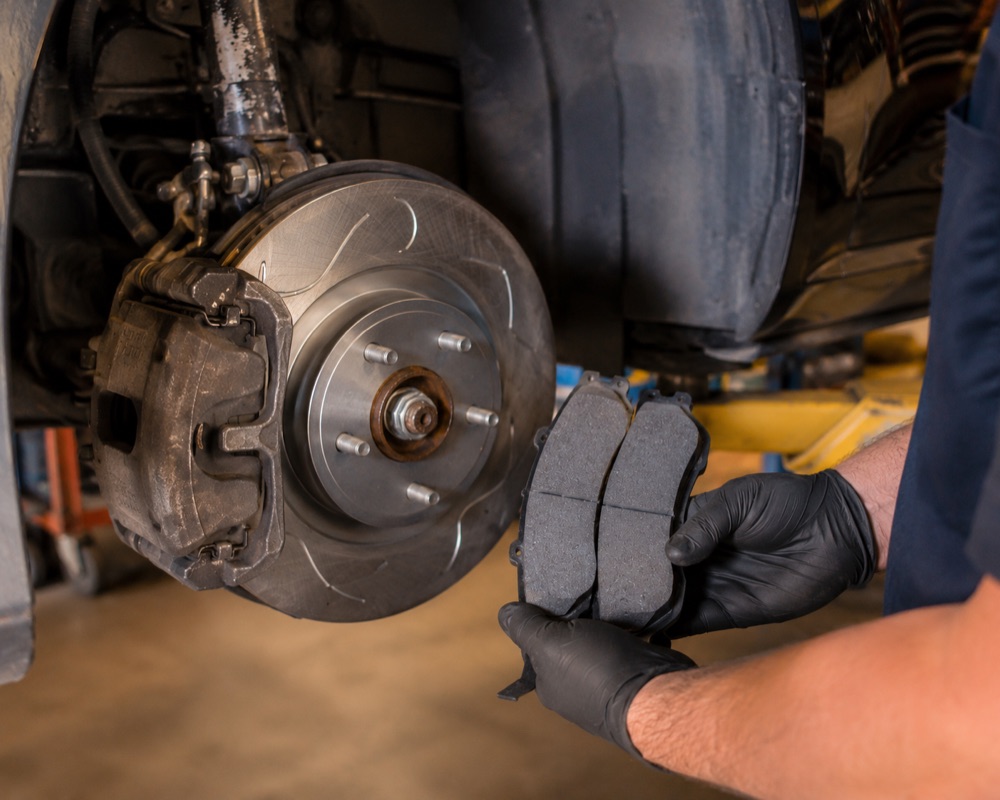
Front brake pads start at $180 per axle at Dad's — pads, hardware, caliper service, and a test drive. With rotors, around $350. Here's what's in the price.
Read the post →Pads and rotors run $350 front and $400 rear out the door at Dad's. Here is what rotors cost in Atlanta and how to tell if you really need them.
Oil change prices are climbing across the country in 2026. Here is what is actually driving it, and exactly what a full synthetic change costs at Dad's.
New to cars? Brake service is nothing to be scared of. Here's what it is, what it costs (free inspection; pads from $180/axle), and what to expect.
Yes, oil grade matters — but your manufacturer already picked it. Here's what 0W-20 and 5W-30 mean in plain English, and which your car needs.
High-mileage engines want full synthetic in the grade your manual specs — with seal conditioners for engines past 75,000 miles. Here's the honest take.
Do you need new rotors with your pads, or just pads? Usually just pads if you catch it early. Here's when rotors are actually worth it — no upsell.
Worn pads, warped rotors, a stuck caliper, old brake fluid, leaking lines — here are the top 5 brake problems, the warning signs, and what to do.
Brake fluid quietly soaks up moisture, which softens your pedal and lengthens stops. Here's why it matters and how often to flush it.
Better heat resistance, a cleaner engine, longer intervals, easier cold starts — here are the real benefits of a full synthetic oil change, no hype.
A soft or spongy brake pedal usually means air in the lines or old brake fluid — and it's a safety issue. Here's what we check first, and the fix.
Ceramic pads run quieter and cleaner; OEM-equivalent means carmaker quality. Here's the honest difference and which lasts longer in Atlanta stop-and-go.
Synthetic blend ($56) is plenty for many cars; full synthetic ($88) holds up better in heat and short trips. Here's which one your car actually needs.
Squealing? You've usually got a week or two. Grinding? Stop now — that's metal on metal. Here's how long you can safely drive on low brake pads.
Squealing, a soft pedal, thin pads you can see, longer stops — here are the signs you need new brake pads, and when a squeal turns into a costly grind.
A car that pulls to one side when braking usually has a stuck caliper, uneven pads, or a collapsed hose. Here's what causes it and what it costs.
Warning light, louder engine, dark gritty oil, worse gas mileage, or 5,000 miles since the last change — the top signs your car needs an oil change.
Oil goes bad with time, not just miles. Even if you barely drive, change synthetic oil at least once a year — every 6 months for short trips. Here's why.
A full synthetic oil change at Dad's is $88 out the door — taxes in, up to 5 quarts and a new filter. Here's exactly what's in that price.
A stuck brake rotor is almost always rust welded to the hub. Here's how to free it safely with penetrating oil and a few taps — and when to bring it in.
What brake repair really costs in Atlanta: pads from $180 an axle, pads and rotors $350–$400, and how chain, dealer, and independent prices compare.
New brake shoe lining is about 4–5mm; replace around 1–1.5mm. Here's how to measure it safely — and the honest word on when to just let a shop handle it.
A brake shoe is the drum-brake cousin of a brake pad — curved parts that press outward inside a drum, usually on the rear of older cars.
A new brake pad has about 10–12mm of friction material — about two stacked nickels. Replace around 3–4mm, never below 2mm. Here's the full breakdown.
Short answer: two brake pads per rotor, one on each side. So most cars have eight total. Here's the full picture, including cars with rear drum brakes.
Most brake pad jobs take an hour or two — one axle about an hour, all four wheels two to three, often while you wait. Here's what affects the time.
One pad worn faster than the other usually means a stuck caliper or dried-out slide pin. Here's what causes uneven brake pad wear — and how we fix it.
New brake pads are about 10–12mm thick. Come in around 3–4mm, and under 2mm is dangerous. Here's how to read your pad thickness and when to replace.
The "every 3,000 miles" rule is outdated. With modern full synthetic you can usually go 5,000+ — here's how to know when it's actually time.
Rear brake pads start at $180 per axle — a bit more involved because the parking brake's back there. With rotors, about $400. Here's the price.
A brake rotor is the metal disc your pads squeeze to stop the car. How it works, the signs it's failing, and what replacement costs in Atlanta.
A brake pad is the part that actually stops your car. Here's how it works, how to tell when it's worn out, and what replacement costs in Southwest Atlanta.
A worn brake pad looks thin, shiny, or cracked — and it'll squeal before it grinds. Here are the warning signs to catch it while it's still a cheap fix.
Book a service or give us a call — we'll take it from here.