How Dad would explain it
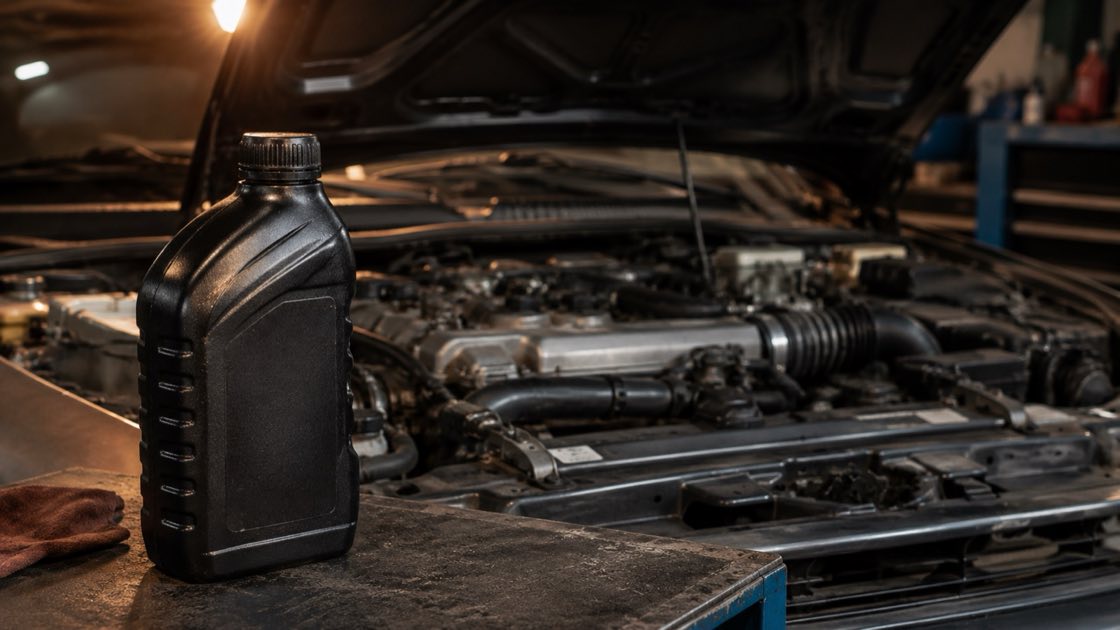
A high-mileage engine wants full synthetic oil in the exact viscosity (the grade, like 5W-30) printed in your owner’s manual — not something thicker just because the car’s older. Once you’re past about 75,000 miles, a high-mileage synthetic adds seal conditioners and anti-wear additives that help tired engines hold oil and run quieter. The oil type matters, but staying on schedule matters just as much. Down here in Southwest Atlanta, heat and stop-and-go traffic are hard on oil, so we change it every 5 months or 5,000 miles.
Once a car gets up past 75,000 or 100,000 miles, a lot of folks start listening to every little noise, leak, and rattle. That’s normal. You want the car to last without every shop visit turning into a giant repair bill.
The question we hear most around Cascade Road is whether a high-mileage car needs different oil than a newer one. For a lot of engines, yes. The best oil type for a high-mileage car in Atlanta is usually a full synthetic built for older engines — it protects better against heat and wear and keeps things cleaner inside. The trick is matching the oil to your engine’s actual condition instead of chasing whatever’s marketed loudest. If your car’s been feeling rough lately, this is a good time to book online and let us take a look.
Why High-Mileage Engines Need a Little Extra Care
Engines change as they age. Seals get older, moving parts loosen up a hair, and buildup inside starts nibbling at performance. Think of it like an old pair of work boots — still fine, but they need more support than they did new.
Southwest Atlanta driving doesn’t make it any easier. If your car spends its days crawling Cascade Road or sitting in traffic through West End, Adair Park, Summerhill, and Greenbriar, here’s what that does to your oil:
- More heat buildup from all that idling
- Faster oil breakdown
- Short trips that never let the engine fully warm up
- Summer heat that thins oil out quicker
A car running open highway ages a lot differently than one stuck in city traffic every morning and afternoon. That’s why the right oil matters more once the miles add up around here.
What Makes Full Synthetic Oil Different
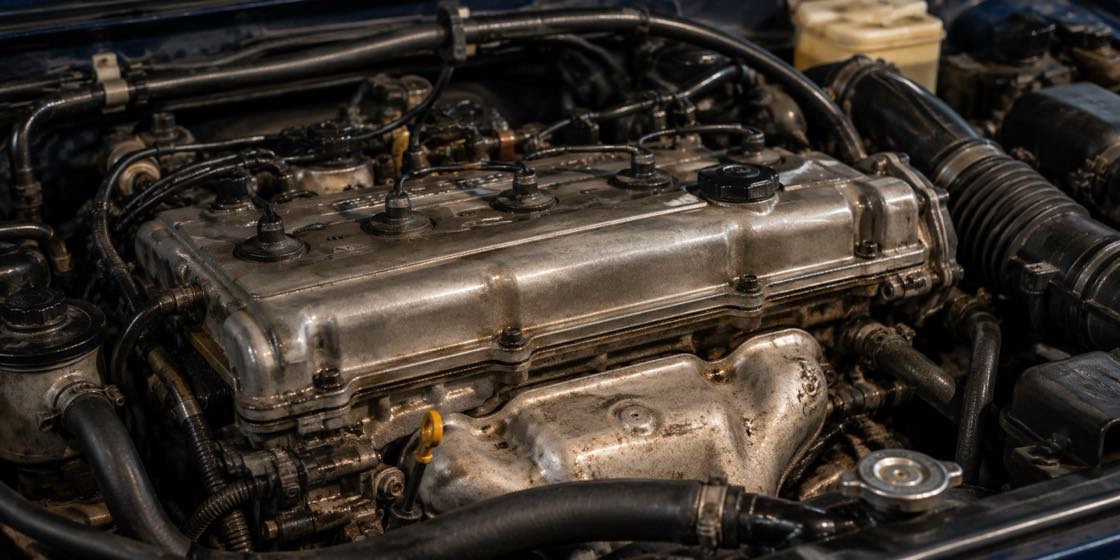
Some folks hear “full synthetic” and figure it’s mostly marketing. There’s a real difference, though. Compared to conventional oil, full synthetic is built to:
- Handle heat better
- Resist sludge buildup
- Hold its viscosity longer (it doesn’t break down as fast)
- Flow smoother on cold startup
- Cut down friction inside the engine
Those things matter most on an engine that already has years of wear on it. Most of the time it means smoother running and better protection — which is exactly what you want in heavy Atlanta heat and traffic. If it were our car, we’d rather give a tired engine stronger protection than save a couple bucks on cheaper oil.
What Counts as a High-Mileage Car?
There’s no exact line where a car suddenly becomes “high mileage,” but most people start using the term around 75,000 to 100,000 miles. That doesn’t mean the car’s on its last legs. Plenty of the healthiest engines we see in Southwest Atlanta have well over 150,000 miles, because the owners stayed consistent — regular oil changes, the correct grade, and small problems handled early before they grew up into big ones.
Should You Use a High-Mileage Formula Specifically?
Sometimes, depending on the engine. High-mileage oils are full synthetics with extra additives aimed at older engines — generally engines past 75,000 miles. They’re designed to:
- Condition older seals so they stay soft and seal better
- Help cut down slow oil leaks
- Reduce oil consumption between changes
- Add anti-wear additives that protect worn parts
That doesn’t mean every older car needs one. A high-mileage engine in good shape may run perfectly fine on regular full synthetic. Others get real benefit from the extra additives. That’s why we look at the actual engine before recommending anything. You can see what we charge on our pricing page — a full synthetic oil change is $88 out the door, no surprises at the counter.
Is Full Synthetic Safe for Older Cars?
This is the biggest myth we hear: that switching an older car to synthetic automatically causes leaks. Most of the time, that’s not what’s happening.
Usually the engine already had worn seals or buildup quietly hiding a small leak. Synthetic flows cleaner and just exposes what was already there. We’ve seen it a hundred times — somebody avoids synthetic for years out of worry, finally switches, and the engine runs smoother and cleaner afterward. If the engine’s in decent shape, full synthetic is often a very good call for a high-mileage car.
Why Oil Grade Still Matters
A lot of people assume an older engine automatically needs thicker oil. Sometimes it does. Often it absolutely does not. The most important thing is using the viscosity your engine was designed for — the grade in your owner’s manual — unless there’s a specific reason to adjust it. Run the wrong grade and you can get:
- Poor startup lubrication
- More wear
- Rougher running
- Worse fuel economy
- More oil burned between changes
Before we suggest any change, we check the manufacturer’s recommendation, the mileage, the engine’s condition, your driving habits, and how the current oil’s holding up. We’d rather match the oil to your actual engine than reach for the thickest jug on the shelf.
Signs Your High-Mileage Car Needs Better Oil Protection
Older engines tend to give little warnings when oil quality or maintenance slips. Watch for:
- Burning oil between changes
- Ticking or rattling on startup
- Dark, sludgy oil on the dipstick
- Slow leaks around aging seals
- Dropping fuel economy
- Engine running hotter than usual
A lot of drivers assume these mean the engine’s dying. Often it just isn’t getting the protection it needs for the conditions it lives in. Catching small oil issues early keeps an older engine running smoother and longer. If your car’s felt sluggish lately, it’s a good time to bring it by and have us check it over.
What We Check During a High-Mileage Oil Service
Folks sometimes think an oil change is just draining the old and pouring in new. On an older car, we pay attention to a few more things:
- Oil condition: thick or dirty oil points to overdue maintenance
- Oil level: some older engines quietly burn oil over time
- Leaks at seals and gaskets: more common as engines age
- Engine noise: ticking or rough startup can mean a lubrication issue
- Oil filter: clean oil still needs a good filter to do its job
- Maintenance history: consistent changes tell us a lot about engine health
We’re not out to turn an oil change into a giant repair visit. A lot of the time the engine just needs better consistency and the right oil going forward. For most high-mileage cars in our area, that means full synthetic every 5 months or 5,000 miles — Atlanta heat and traffic shorten oil life, so we don’t recommend stretching it. (Curious how the cost breaks down? We wrote up how much a full synthetic oil change runs.)
Why Drivers Around Southwest Atlanta Trust Dad’s
We know higher-mileage cars make people nervous — every strange sound feels like a big bill coming. That’s not how we work. We focus on what your engine actually needs based on its mileage, condition, and how you drive. If full synthetic makes sense, we’ll tell you why. If a high-mileage formula would help with wear or leaks, we’ll explain that too. And if your car’s doing just fine as-is, we’ll tell you that and send you on your way.
Whether your car has 80,000 miles or 280,000, our guys are happy to help keep it running strong.
Frequently Asked Questions
What's the best synthetic oil for a high-mileage car?
For most older engines, a full synthetic in the manufacturer's recommended viscosity is the best choice — and a high-mileage full synthetic if the engine's burning oil or seeping at the seals. The right grade matters more than the brand on the bottle.
Is high-mileage oil worth it?
Often, yes. High-mileage formulas add seal conditioners and anti-wear additives that help aging engines, usually past about 75,000 miles. Whether your car needs one depends on its condition, which is why we look before we recommend.
Can switching to synthetic cause leaks?
Usually not. Synthetic flows cleaner and tends to expose leaks that were already starting at worn seals — it doesn't create them. On an engine in decent shape, the switch is typically smooth.
Should an older car use thicker oil?
Not automatically. Using the wrong viscosity can cause more harm than good. Stick with the grade in your owner's manual unless there's a specific reason to change it.
How often should a high-mileage car get an oil change in Atlanta?
We recommend full synthetic every 5 months or 5,000 miles. Stop-and-go traffic and Southwest Atlanta heat break oil down faster, so staying on schedule really helps. (For newer engines, see our note on how often to change synthetic oil on a low-mileage car.)
How much is a full synthetic oil change at Dad's?
$88 out the door — no add-ons sprung on you at the counter.
Come See Us
If your high-mileage engine’s been running rough, burning a little oil, or just getting up there in miles, swing by Dad’s Auto Repair Shop on Cascade Road and we’ll take a look. We’ll check your manufacturer’s recommendation, your engine’s condition, and how you drive, so your car gets the protection it actually needs for Southwest Atlanta roads.
Book your appointment at Dad’s Auto Repair Shop and we’ll help keep it running strong.